Showing posts with label canning. Show all posts
Wednesday, October 30, 2013
Wednesday, April 24, 2013
Peas to Rebuild the Soil
The peas we planted in 3 of the beds are finally growing. These beds will later hold Tomatoes. The plan is to grow the peas for as as long as possible, chop them down and leave them to rebuild the soil. This worked well last year. One of the beds will have a great cherry tomato that was delicious and produced for many weeks, and two will have canning tomatoes.
Some of the goals we have for this season:
~ Lettuce, Arugula and perennial greens - as much as possible in rotation.
~ Enough carrots, potatoes, and tomatoes canned to get us through the
winter.
~ Learning more about culinary and medicinal herbs - and how to harvest an
store them.
~ Adding many more flowers and plants that are beneficial for insects.
It's all such a great experiment!
Monday, September 10, 2012
Waiting for Carrots
We planted 1/2 a bed of carrots and they are still growing, so when we, by chance, ordered a 5lb. bag of organic carrots instead of a smaller bag, we decided to can them for the Winter. This is the beauty of gardening. You don't even have to be the person who grows the food!
If you want to put up some canned goods, just purchase from the local food coop or farmer's market - or if you have access through the grocery store to buy organic food - you have the opportunity to eat fresh carrots in the middle of Winter - just like anyone else who grew them, and you have the added benefit of supporting local farms.
The basics are the basics. A bag of carrots, peeled and sliced up - pressure canner for 25 mins. and magical veggies for those Winter stews. The pressure canner is the most complicated part and once you get using it, it gets less intimidating.
If you want to put up some canned goods, just purchase from the local food coop or farmer's market - or if you have access through the grocery store to buy organic food - you have the opportunity to eat fresh carrots in the middle of Winter - just like anyone else who grew them, and you have the added benefit of supporting local farms.
The basics are the basics. A bag of carrots, peeled and sliced up - pressure canner for 25 mins. and magical veggies for those Winter stews. The pressure canner is the most complicated part and once you get using it, it gets less intimidating.
| "Accidental" Purchase of carrotts |
| peels for the compost |
| cut to a uniform size |
| Delicious Carrots |
We have carrots growing and plan to eat them as they are ready - and if there are lots, we'll do some more canning. One of the things I like about this gardening adventure is that we are learning so much about planting, growing, harvesting and canning.
If you think you don't have the time (patience, money, knowledge) to grow something, then just learn one thing at a time and learn how to can something you love to eat. Our connection to food is part of us, and learning just one thing to make that connection more valuable, adds to the enjoyment of food and connects us to the real purpose of food...Delicious fuel for our bodies.
Wednesday, August 8, 2012
Corn can grow in the city?
Last Summer I was going down Pleasant St. and saw a yard with 2 or 3 rows of corn growing! I have to say that this was really surprising to me and led to research and planning...because who doesn't love the taste of corn fresh out of the garden?
Our research led to the corn, sunflower, squash and bean bed and it is working! The sunflowers are opening and are huge, the Zucchini, Butternut, and Pumpkin all flowering like crazy and starting to produce fruit, and oh the beans...they are winding up around the stalks of the Sunflowers and Corn and every leaf we turn over has small flowers and beans under it! They are a small red Mexican bean that can be dried or canned. I would like to try canning them, just because I haven't done that yet.
Yesterday, we picked the corn and froze a couple of servings and canned the rest. Quite an amazing process to see. This year is an experiment to see what we can grow - and next year I will definitely include corn in the plan for the garden. Changing a couple of things would work better. The Sunflowers are ridiculously large and should be in the back row of the bed, with the Corn in the front so it is not shaded by them. The squash and beans are working perfectly so no change is needed for them.
This is the summer of learning how to do all of this, and the vision of this corn (along with potatoes, beans, carrots, etc.) in a stew in the middle of Winter fills my heart with something that only going through this whole process can produce. Reading has been a great tool for learning the theory of how things work - but actually doing it, even on a small scale like we have, has given us experience that is invaluable.
Our research led to the corn, sunflower, squash and bean bed and it is working! The sunflowers are opening and are huge, the Zucchini, Butternut, and Pumpkin all flowering like crazy and starting to produce fruit, and oh the beans...they are winding up around the stalks of the Sunflowers and Corn and every leaf we turn over has small flowers and beans under it! They are a small red Mexican bean that can be dried or canned. I would like to try canning them, just because I haven't done that yet.
| beans growing up the sunflower |
| bean |
| Where it all began... |
| Today =) |
| Corn! Each plant grew about 2 ears of corn, some of the plants were stunted by the Sunflowers |
| Corn! We were able to can 5 pints of corn and froze a couple of servings. |
| First Zucchini starting to grow |
| First Pumpkin |
Monday, August 6, 2012
You say potato...
A couple of weeks ago, we finished our potato experiment and I am pleased with the results. I envision Winter: wood cooktop warming the house and opening a jar of potatoes to put in a hearty stew or curry. We have a few adjustments to make for next year, but all in all, this year was a success. It was difficult for me not to squeal every time a potato fell out of the soil...what is this magic that is gardening? I must know more!
Lessons from this experiment? More straw, or more dirt - we needed both. There were many, many very small potatoes that just didn't have the time/space/nutrients to grow.
Next Spring we will be doing a 4x4 bed that can be raised with each level of growth and filled in with soil to get the most from our small space without a huge amount of work. After all, the whole point is to enjoy the garden and learn from it so each year is better.
I am happy with what I learned and also with the canning we were able to do. Each step we take in our urban garden, is a step toward sustainability. I find myself surprised quite often by how big a 900 sq. ft house and little piece of land feels.
It is quite magical...
| Didn't know what to expect, but look! Potatoes! |
| From the straw only patch - we definitely needed more straw during the growing time |
| From the patch with soil... |
| Also potatoes! There were more and larger in the dirt patch. |
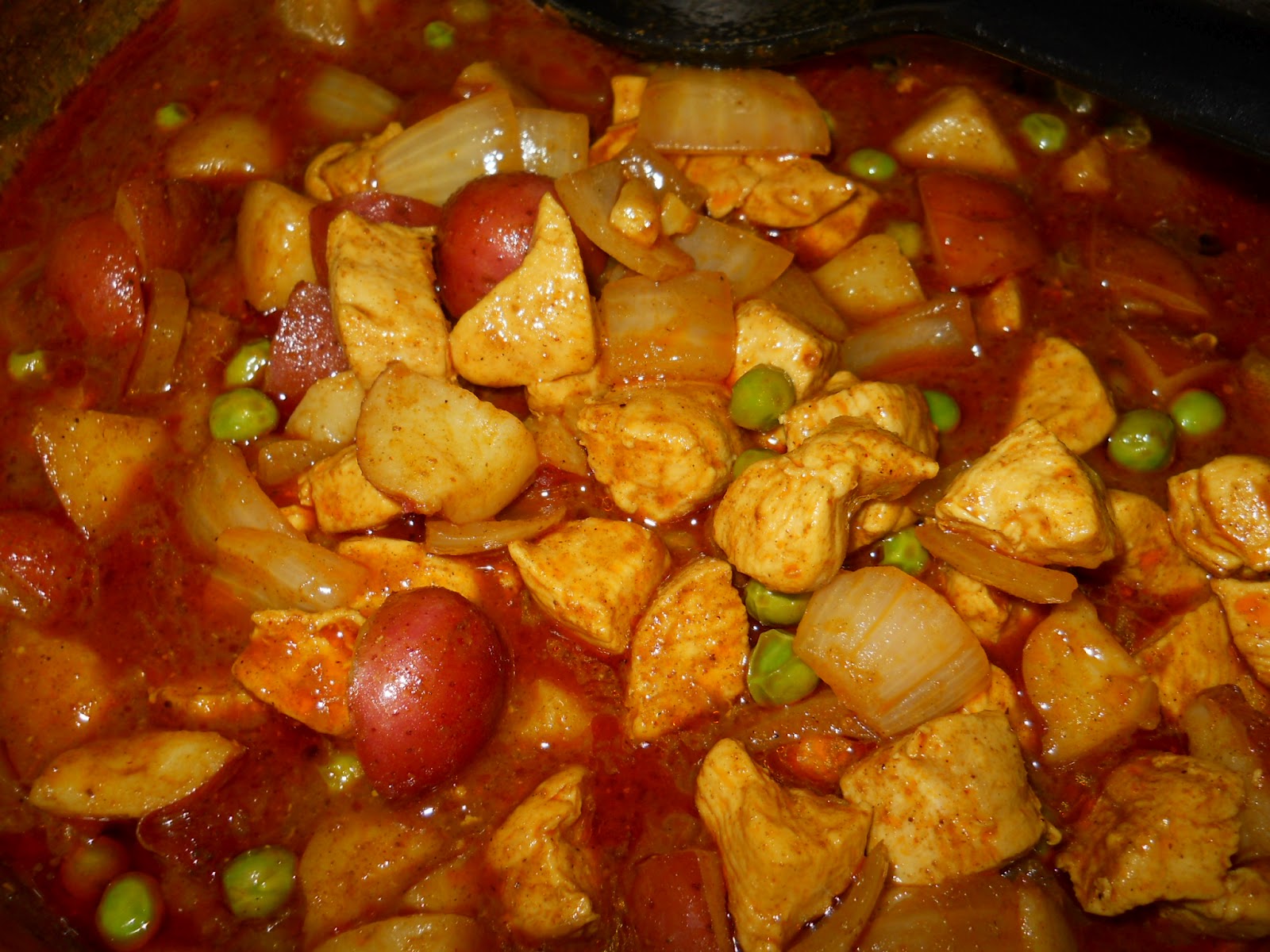
| Celebratory Curry - made with potatoes and peas from the garden :) |
| 17 jars put away for Winter stews and curries and enough saved out for a delicious red potato salad. |
Lessons from this experiment? More straw, or more dirt - we needed both. There were many, many very small potatoes that just didn't have the time/space/nutrients to grow.
Next Spring we will be doing a 4x4 bed that can be raised with each level of growth and filled in with soil to get the most from our small space without a huge amount of work. After all, the whole point is to enjoy the garden and learn from it so each year is better.
I am happy with what I learned and also with the canning we were able to do. Each step we take in our urban garden, is a step toward sustainability. I find myself surprised quite often by how big a 900 sq. ft house and little piece of land feels.
It is quite magical...
Subscribe to:
Posts (Atom)